 輕鬆聽大師
俞國定導讀



大師 SKILL:以少做多的減法修練
在資訊與工作量爆炸的時代,真正的競爭優勢不是做得更多,而是敢於刪除。精選3組大師級減法思考與決策工具,讓 AI 協助你在日常工作精準落實。
| 開門見山溝通術──直指核心重點,消除冗長雜訊 |
適用情境:起草重要信件、專案簡報或內部彙報時,洋洋灑灑寫了一大篇,讀者卻抓不到重點、回覆遲緩甚至直接已讀不回;資訊太多導致溝通阻力大增。
大師觀點:吉姆.范德海等人在《聰明簡潔的溝通》中指出,現代人每天都被海量資訊轟炸,長篇大論只會招致忽視。聰明簡潔的溝通有3項核心原則:第一句直接說出最核心結論、明確解釋為什麼這件事重要,並刪除不必要的背景鋪陳與贅字,同時保留讀者理解重點所需的資訊。用結構化卡片排版取代長篇敘述,話愈精煉,影響力愈大。
大師 SKILL:把你撰寫好的初稿、報告或郵件交給 AI,協助你依據聰明簡潔的溝通原則,提煉為「結論破題+核心脈絡+具體行動請求」的極簡高影響力版本。
你會得到:1 句破題核心重點,並依需要精準補充背景摘要、關鍵要點與行動請求(不強加贅文)。
【複製提示詞】
我目前撰寫了一份重要溝通草稿(如:跨部門提案、致高層匯報、專案進度信),內容如下:[貼上原始長文草稿、提案或背景脈絡]。
請協助我依據「第一句直陳要點、說明為何重要、大膽刪除贅字」的聰明簡潔溝通準則,將其改寫為現代高效溝通版本:
【AI 決策判斷規則】
1. 結論破題優先:刪除不必要的開場客套與背景鋪陳,第一句話直接亮出核心結論、決策或關鍵請求。
2. 聚焦為何重要:提煉出 1 至 2 句強而有力的論據,清晰點出此議題對受眾的直接利益或影響,杜絕泛泛而談。
3. 無情刪除冗餘:刪除不必要的修飾詞、重複說明與次要細節,但不得刪除影響理解或決策的重要資訊,僅保留決策必備的核心事實。
4. 結構化視覺掃描:採用條列式呈現佐證資料,讓讀者能快速掃描並掌握重點。
5. 忠實保留原稿核心:嚴格保留原稿的事實、數據、立場與必要限制;如果核心結論不明確,請先指出問題,不得自行替作者決定立場或憑空編造佐證。
【請產出以下內容】
1. 破題核心重點:開門見山先提出最關鍵的結論或主旨。
2. 必要背景摘要(依需要補充):若情境需要,以精鍊文字說明「為何重要」;若原稿簡單明瞭,切勿強行增加贅述。
3. 關鍵要點(依需要補充):若有必要事實、數據或影響,以最多 3 項條列說明;原稿缺乏佐證時不得自行編造。
4. 行動請求(依需要補充):清楚指明希望對方採取的具體行動;若原稿未提及期限,不得自行編造時限。
回答請精確務實,直指核心,不提供無憑無據的猜測。
| 15分鐘極簡會議設計器──先判斷該不該開,再刪除贅題、聚焦決策 |
適用情境:每天行事曆被滿滿的例行會議塞爆,動輒開 1 小時;大家花大半時間在念簡報或單向同步進度,缺乏實質討論,結束時往往沒有明確決策與分工,極度浪費時間。
大師觀點:喬恩.麥克尼爾在《馬斯克5步演算法》中介紹馬斯克改善工作流程的方法:先質疑每一項要求,刪除不必要的部分,再進行簡化與加速。將這套方法應用於會議管理,就應該先問:這場會議真的有必要嗎?哪些事項可以改用文字溝通?哪些人必須參與?對於確實需要召開的會議,再盡可能縮短時間、聚焦重要議題,確保會議結束時有明確結論與後續行動。
大師 SKILL:把即將召開的會議主題、預計出席者與討論事項交給 AI,先判斷是否需要開會;如果確實有必要,再協助刪除可改用非同步溝通的事項、精簡出席名單,並設計以 15 分鐘為優先目標的聚焦議程。
你會得到:開會必要性判斷+精簡議程+必要出席名單+預期決策與待確認行動目標。
【複製提示詞】
我目前預計召開一場內部或專案會議,但擔心流於冗長、浪費大家時間:[寫下這次會議的主題、預計找誰參加,以及原本打算討論的 2 到 3 個事項]。
請協助我依據「質疑開會必要性、刪除宣達事項、精簡必要人員、聚焦決策行動」的極簡會議原則,為這場會議進行專業評估與議程設計:
【AI 決策判斷規則】
1. 開會必要性三分法:先對這場會議做出精確判斷──
• 「不必開會」:若內容僅涉及單向通知或一般進度更新,且不需要即時討論或協調,優先建議取消會議,改以文字非同步通知。
• 「適合 15 分鐘會議」:若議題明確、資訊齊備、關鍵決策者皆能出席,以 15 分鐘為目標精準設計。
• 「需要重新設計」:若資訊不足、議題過於複雜龐大或決策風險過高,明確指出缺少哪些前置資料或建議合理時長,切勿盲目壓縮。
2. 刪除可非同步事項:標註哪些事項能改用 3 行文字或共用文件說明,直接移出會議討論。
3. 精簡必要出席名單:嚴格保留對議題具實質貢獻的人員(決策者、關鍵資訊提供者、必須參與討論的執行負責人);其他僅需知情者一律建議退出會議、會後收取摘要。
4. 聚焦決策與行動:若需要開會,議程必須以「做出拍板決策」與「落實後續分工」為導向,嚴禁漫無目的的純資訊交流。
【請產出以下內容】
1. 開會必要性判斷:明確歸類為「不必開會」、「適合 15 分鐘會議」或「需要重新設計」,並附上 1 句核心理由。
2. 非同步剔除項目:建議移出會議、改以文字通知的冗餘或純報告事項。
3. 精簡議程:明確切分時間的聚焦議程(以 15 分鐘為優先目標;若議題複雜則給出合理建議時長)。
4. 必要出席名單:列出「必邀核心名單」(附角色職責)與「建議不必出席名單」(改收會後摘要)。
5. 預期決策與行動目標:列出這場會議希望解決的 1 至 2 項問題、預期需要做出的決策,以及應確認的後續行動。若資料不足,應標示待確認事項,不得預先假定決策結果或指定未經確認的負責人。
回答請精確務實,直指核心,不提供無憑無據的猜測。
| 5分鐘瑞士起司啟動法──把難以下手的工作,變成立刻能做的小動作 |
適用情境:面對一件繁重、麻煩或不知道從何下手的討厭任務(如起草新提案、整理複雜數據、回覆棘手信件),心理負擔沉重導致一再拖延,明知該做卻遲遲無法動工。
大師觀點:亞倫.拉凱恩在《即學即用時間管理法》中介紹「瑞士起司法」(Swiss Cheese Technique):面對龐大、難以下手的工作,不必從頭到尾依序完成,而可以像在起司上戳洞一樣,先挑選其中一個容易完成的小部分動手。即使只有幾分鐘,也能先取得一點進展。這項方法的重點不是立刻完成整件事,而是降低開始的門檻,讓原本停滯的工作有機會逐步推進。
大師 SKILL:把一件讓你遲遲不想動手的工作交給 AI,協助你找出 3 個能在 5 分鐘內完成的小動作。你只要任選一個開始,不必一次完成整項任務。
你會得到:3 個 5 分鐘微動作+1 個最容易開始的建議。
【複製提示詞】
我有一件一直拖延、不知道如何開始的工作:[填寫工作名稱及目前遇到的困難]。
請依據「瑞士起司法」,幫我找出可以立即開始的小動作:
【AI 決策判斷規則】
1. 具體極小切片:提供 3 個具體且互不相同的微動作,每個耗時不超過 5 分鐘。
2. 零前置門檻:每個動作都必須容易開始,不要求先完成複雜的前置準備。
3. 聚焦行動不分析心理:不猜測心理狀態,也不提供空泛的激勵話語。
4. 自足啟動優先:若缺少外部資料,優先提供無須額外資源即可開始的動作。
5. 微小即成功:不要求一次完成整項工作;完成任一微動作就算成功。
【請產出以下內容】
1. 3 個 5 分鐘微動作:列出 3 個能立即執行的 5 分鐘小動作。
2. 預期成果:清楚說明完成每個微動作後能產出的具體成果。
3. 啟動推薦:明確建議最推薦先做哪一個,以及具體原因。
請簡短回答,直指核心,讓我看完就能立刻開始。
| Smart Brevity Distillation: Lead with the Point and Cut Noise |
Applicable Context: Drafting emails, proposals, or updates, but words sprawl, readers miss the point, responses drag out, or messages go unread.
Master Insight: In Smart Brevity, Jim VandeHei and co-authors emphasize that attention spans are shattered by information overload. High-impact communication follows three principles: state the bottom line first, explain why it matters, and ruthlessly cut fluff. Structure messages visually into scannable cards so readers absorb essentials in seconds.
Master Skill: Submit your draft to AI to distill it into an executive format with punchy takeaways, core stakes, and a clear call to action.
What you'll get: 1 punchy core takeaway, with essential context, key bullets, and call to action added only as needed (no forced fluff).
[Copy Prompt]
I drafted an important communication (e.g., proposal, memo, project update): [paste draft].
Apply Smart Brevity—lead with the point, explain why it matters, and cut noise—to rewrite it:
[AI Decision Rules]
1. Lead with the Point: Cut introductory pleasantries. State the bottom-line takeaway, decision, or request in the first sentence.
2. Highlight Why It Matters: Give 1 to 2 sentences stating the direct stake or impact on the recipient.
3. Ruthless Pruning: Delete fluff, repetition, and secondary details without omitting key facts needed for decisions.
4. Scannable Structure: Use concise bullets so readers can scan key points quickly.
5. Preserve Stance & Facts: Retain original facts, metrics, and stance. If the core point is unclear, flag the gap rather than inventing facts.
[Deliverables]
1. Core Takeaway: State the key conclusion or subject line up front.
2. Essential Context (Only as needed): Concise explanation of why it matters; no fluff.
3. Key Bullets (Only as needed): Up to 3 concise bullets for key facts; never fabricate points.
4. Call to Action (Only as needed): State requested action; never invent deadlines.
Keep the response practical, direct, and concise.
| The 15-Minute Meeting Designer: Judge the Need First, Cut Noise and Focus on Decisions |
Applicable Context: Calendars clogged with routine 1-hour meetings where most of the time is wasted reading slide decks or giving passive status updates, lacking rigorous debate, and ending without actionable decisions or accountability.
Master Insight: In The Algorithm, Jon McNeill documents Elon Musk's workflow methodology: question every requirement, delete unnecessary parts, and only then simplify and accelerate. Applying this to meeting management means asking first: Is this meeting truly necessary? Which items can be handled in writing? Who must participate? For meetings that must be held, keep them as short as possible and focus on critical issues to ensure clear conclusions and follow-up actions.
Master Skill: Submit your upcoming meeting topic, intended attendees, and proposed discussion items to AI to first evaluate whether a meeting is needed. If it is, AI will help delete items that can be handled asynchronously, trim the attendee list, and design a focused agenda prioritizing a 15-minute target.
What you'll get: Meeting necessity check, trimmed agenda, essential attendee list, and expected decisions and action goals.
[Copy Prompt]
I am planning an internal or project meeting, but I want to avoid dragging it out and wasting everyone's time: [state the meeting topic, intended participants, and the 2 to 3 items you initially planned to cover].
Help me apply the core principles of questioning meeting requirements, deleting passive reporting, pruning attendees, and focusing on decisions and actions to evaluate and structure this meeting:
[Deliverables]
1. Necessity Verdict: Clear classification ("No Meeting Needed", "Suitable for 15-Minute Meeting", or "Redesign Required") with a 1-sentence rationale.
2. Pruned Async Items: Passive or reporting items removed from the meeting to be communicated in writing.
3. Trimmed Agenda: Timeboxed agenda prioritizing a 15-minute target (or a justified duration if redesign is required).
4. Essential Contributor List: Trimmed must-attend list with roles vs. people who should skip and receive notes.
5. Expected Decisions & Action Goals: List 1 to 2 core issues to resolve, decisions expected to be made, and follow-up actions to confirm. If data is insufficient, flag items pending verification; do not presume decision outcomes or assign unconfirmed owners.
Keep the response practical, direct, and concise.
| The 5-Minute Swiss Cheese Starter: Turn Daunting Tasks into Immediate Actions |
Applicable Context: Paralyzed by a complex, tedious, or daunting assignment (e.g., drafting a major report, compiling quarterly metrics, replying to a difficult customer); procrastination takes over because the task feels too heavy to begin.
Master Insight: In How to Get Control of Your Time and Your Life, Alan Lakein introduces the Swiss Cheese Technique: when facing a daunting or overwhelming task, you don't need to finish it in sequence from start to finish. Instead, poke holes in it like Swiss cheese by picking an easy part to do first. Even a few minutes of effort creates tangible progress. The goal is not instant completion, but lowering the barrier to starting so stalled work can move forward step by step.
Master Skill: Submit a task you have been delaying to AI to identify 3 micro-actions that take under 5 minutes to complete. Simply pick one to start; you don't need to finish the whole project in one sitting.
What you'll get: 3 five-minute micro-actions and 1 easiest-starter recommendation.
[Copy Prompt]
I have a task that I have been procrastinating on and don't know how to start: [state the task name and the difficulties currently encountered].
Help me apply the Swiss Cheese Technique to identify tiny actions I can begin right away:
[AI Decision Rules]
1. Concrete Micro-Slices: Provide 3 distinct micro-actions, each taking no more than 5 minutes.
2. Zero Friction: Every action must be immediately accessible without complex preparations.
3. Action-Focused: Avoid analyzing psychology or giving generic motivational pep talks.
4. Autonomous Start: If information is sparse, prioritize actions requiring no extra resources.
5. Small Win: Do not require finishing the whole task; completing any one action counts as a win.
[Deliverables]
1. 3 Five-Minute Micro-Actions: 3 specific, executable micro-actions taking under 5 minutes.
2. Tangible Outcomes: Clear description of the concrete result produced upon finishing each action.
3. Starter Recommendation: The single easiest action to tackle first, with a brief reason.
Keep the response concise and practical so I can begin immediately after reading.
推薦書單

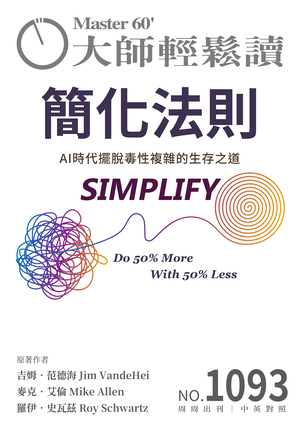
NO.898 精簡溝通Smart Brevity: The Power of Saying More with Less
by 吉姆.范德海(Jim VandeHei)、麥克.艾倫(Mike Allen)、羅伊.史瓦茲(Roy Schwartz)
中文版:聰明簡潔的溝通(天下文化,2023)

NO.1068 馬斯克5步演算法The Algorithm: The Hypergrowth Formula That Transformed Tesla, Lululemon, General Motors, and SpaceX
by 喬恩.麥克尼爾(Jon McNeill)

NO.986 即學即用時間管理法How to Get Control of Your Time and Your Life
by 亞倫.拉凱恩(Alan Lakein)


